
Misconceptions About Resilience: What It Really Takes to Build Strong Communities
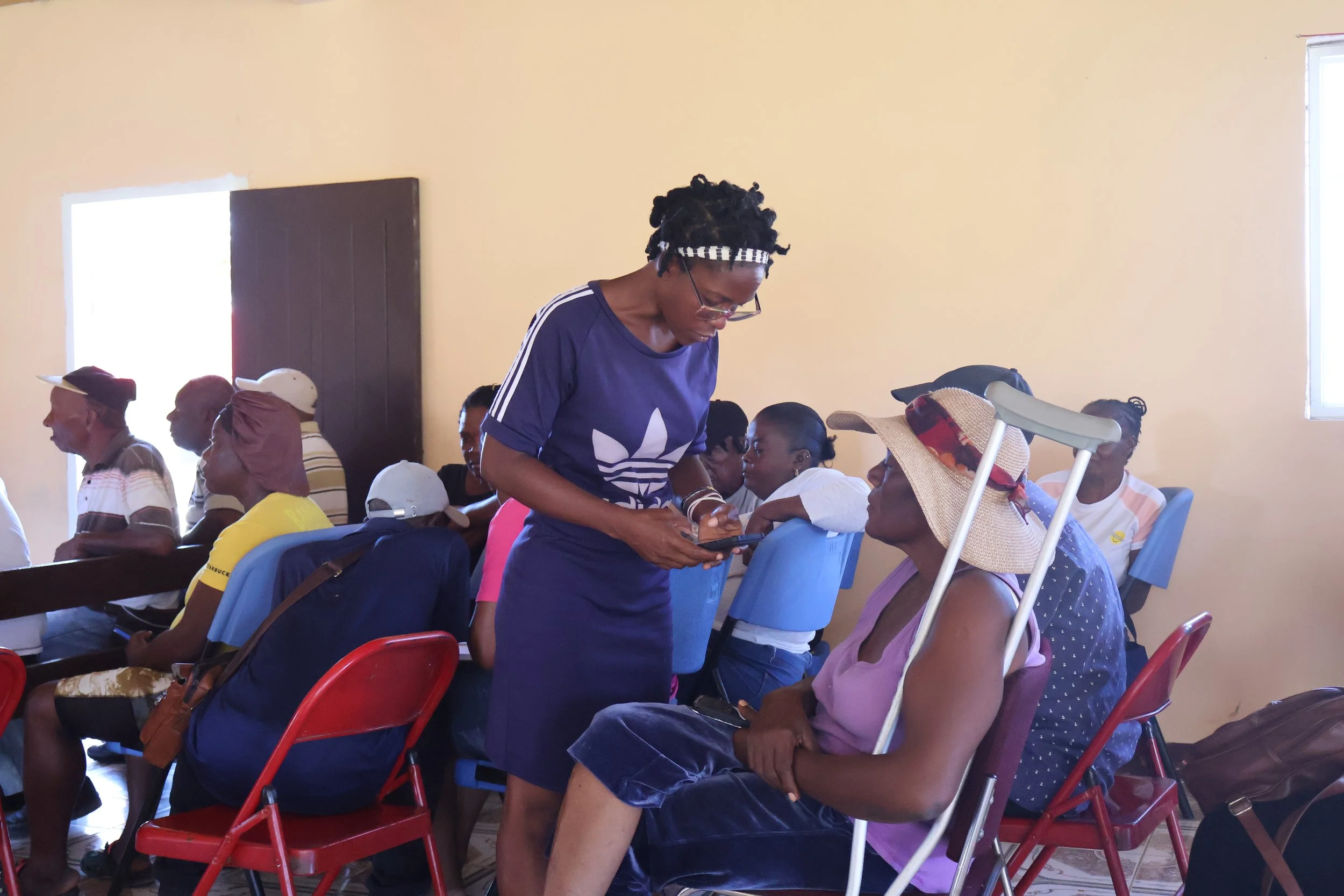
Resilience is often celebrated as one of the most important qualities a person can possess.
But despite how frequently we talk about resilience, many misconceptions continue to shape how we understand it.
Too often, resilience is portrayed as an individual responsibility—a personal ability to endure hardship without assistance. While determination and perseverance matter, resilience is far more complex than simply "being strong."
Rather than seeing resilience as something people either have or do not have, it may be more helpful to view it as something that can be developed and strengthened through intentional investment in people and communities.
At Jalawelo, we see resilience as something that is strengthened through community, opportunity, and support.
Misconception #1: Resilience Means Never Struggling
Resilient people experience setbacks, uncertainty, and challenges just like everyone else.
The difference is not the absence of hardship. The difference is having the tools, relationships, and resources that help them navigate those challenges.
Misconception #2: Resilience Is Built Alone
One of the most damaging myths about resilience is the idea that people must overcome adversity entirely on their own.
In reality, support systems often play a critical role.
Families, mentors, educators, community leaders, and organizations all contribute to helping individuals build resilience over time.
Misconception #3: Resilience Is Something You're Born With
Resilience is not fixed.
It can be developed and strengthened through experiences, opportunities, and supportive environments.
Programs focused on education, leadership development, and economic empowerment help create the conditions where resilience can grow.
The Role of Community Development
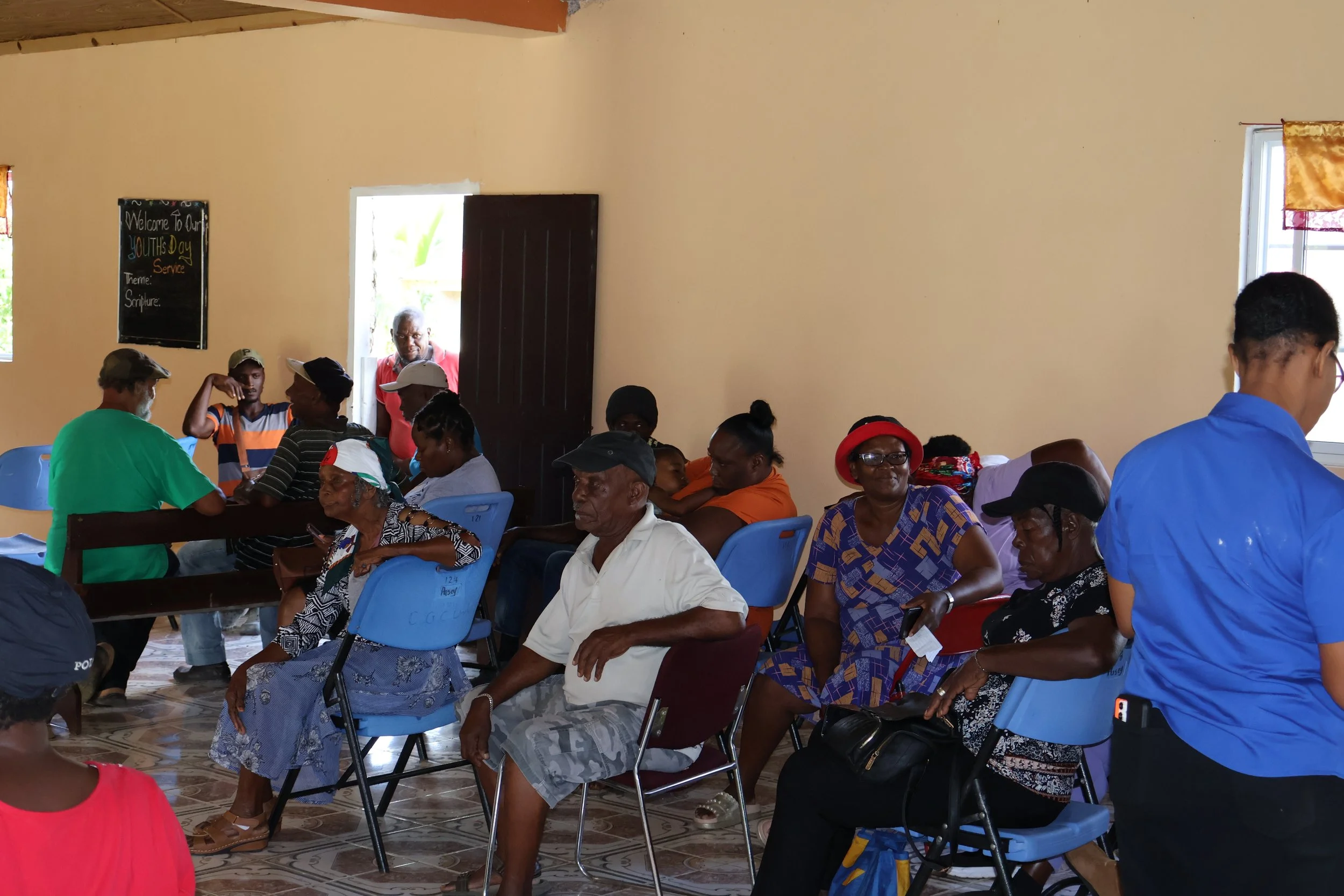
Community development creates opportunities for resilience to flourish.
Resilience does not develop in isolation. It is often strengthened through access to supportive relationships, meaningful opportunities, and environments that encourage growth.
When communities invest in people, they help create the conditions where individuals can adapt, overcome challenges, and pursue a better future.
Through initiatives like Jalawelo's Education & Youth Development Program (EYD) and Grassroots Economic Empowerment Program (GEEP), individuals gain access to skills, mentorship, and opportunities that help them navigate challenges and pursue their goals.
By investing in youth development and economic empowerment, Jalawelo seeks to strengthen not only individual resilience but also the resilience of families, communities, and future generations.
Building Resilience Together
The strongest communities are not those that never face challenges. They are communities that work together to overcome them.
Resilience grows when people are empowered, supported, and given opportunities to lead.
At Jalawelo, we remain committed to helping build resilient communities through education, economic empowerment, leadership development, and long-term partnership.
Because resilience is not simply about enduring hardship, it's about creating pathways toward a stronger future.