
Systems Thinking: Why Sustainable Change Is Slower, and Stronger
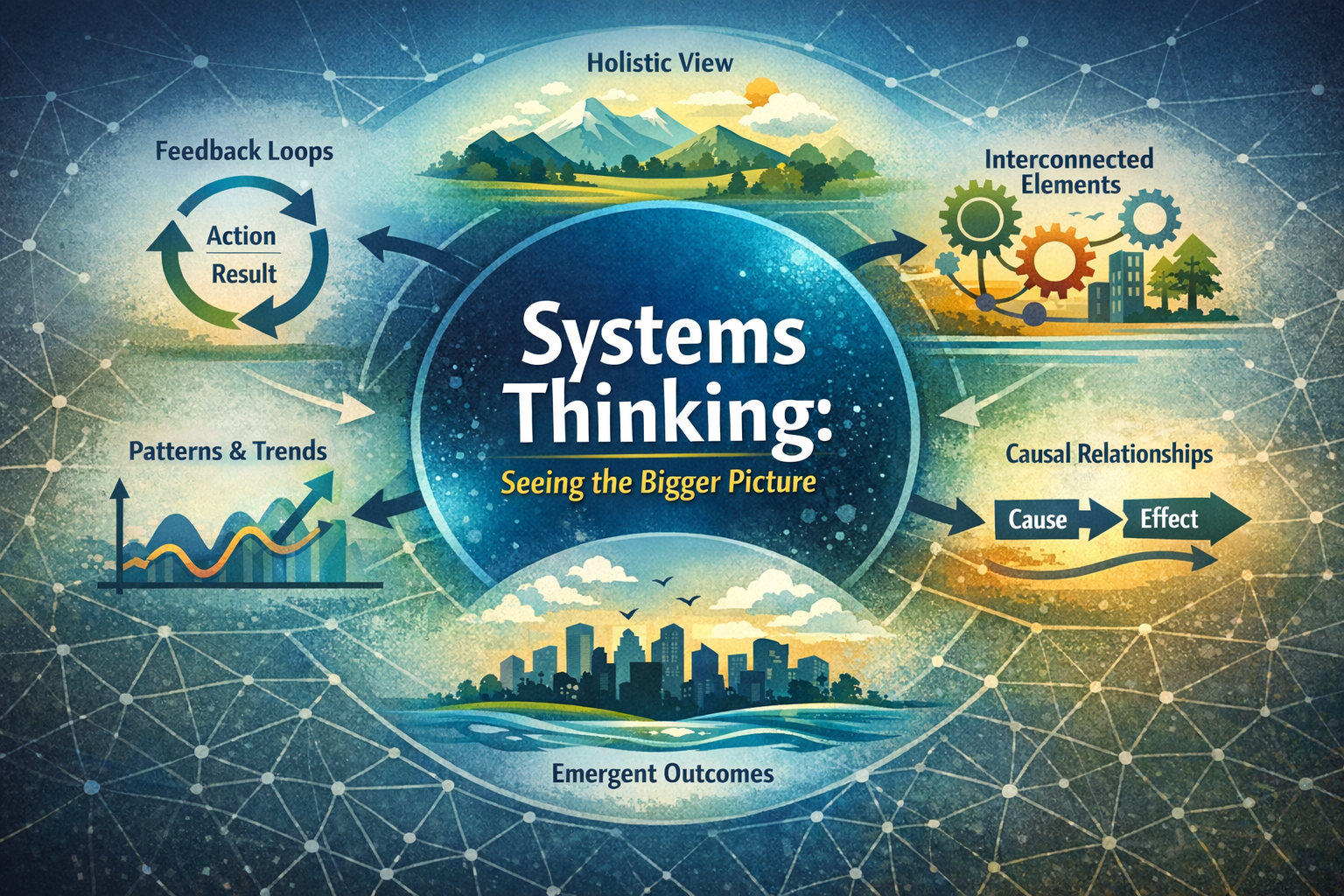
Systems thinking asks:
What must be true for this community to thrive five years from now, not just five weeks from now?
When a community is struggling, the instinct is to respond quickly.
Provide food. Provide money. Provide supplies.
And sometimes that is necessary.
But charity often addresses symptoms.
Sustainable support addresses underlying structures.
And structures are slower to rebuild.
The Difference Between Symptoms and Systems
If crops fail, the symptom is hunger.
If a farmer lacks tools, the symptom is inactivity.
If income disappears, the symptom is financial distress.
But beneath each symptom is a system:
Who controls land access?
Who has access to the right tools?
Who has access to credit?
If those questions remain unanswered, relief becomes temporary.
Systems thinking asks:
What must be true for this community to thrive five years from now, not just five weeks from now?
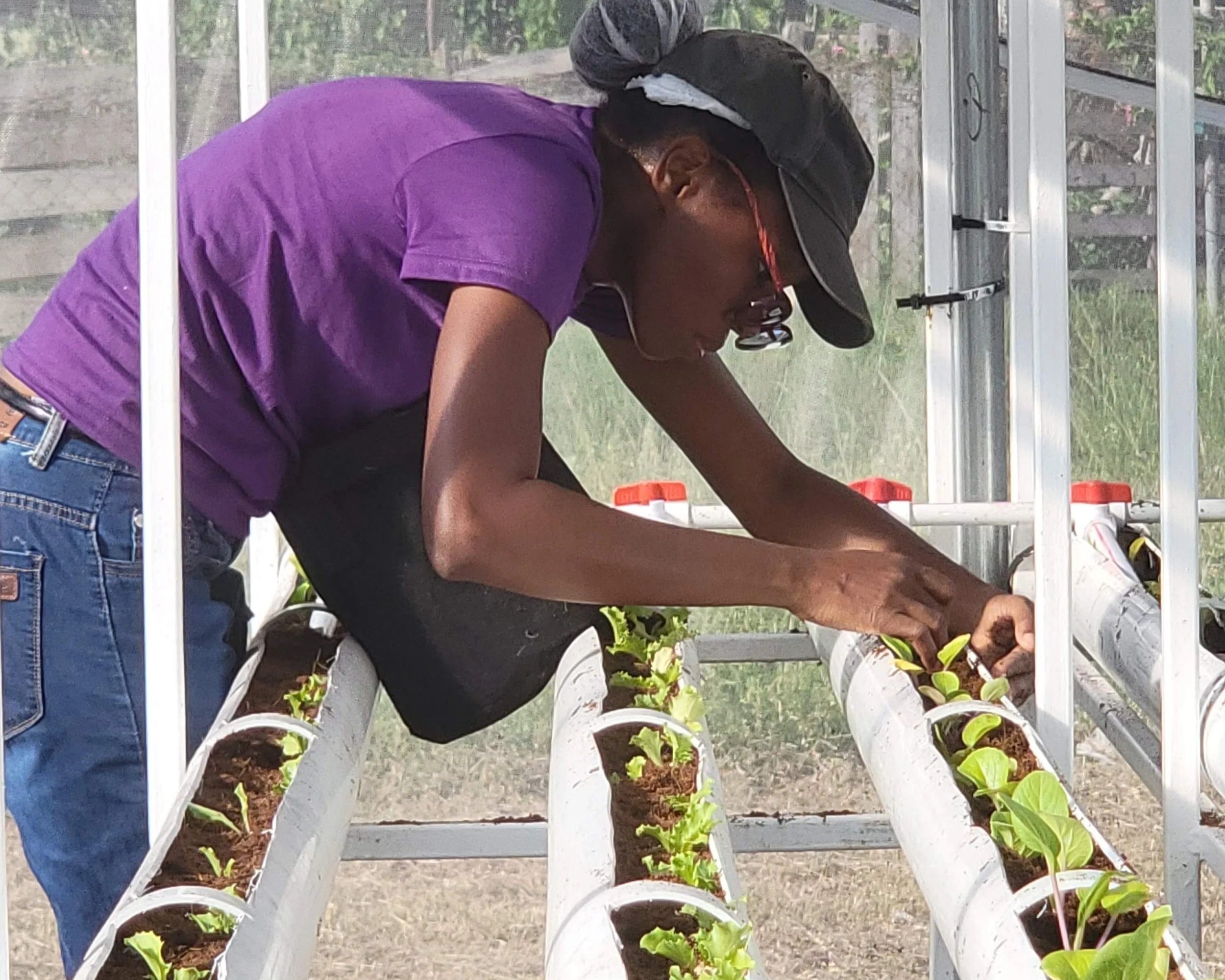
When Jalawelo partners with farmers in our network, we are not simply funding projects.
Our goal is to strengthen systems. This includes:
Empowering local leaders to organize, communicate, and make decisions collectively
Establishing procedures where everyone contributes, not just financially, but through participation and accountability.
Establishing modest contribution structures so programs can sustain themselves rather than depend indefinitely on outside funding.
These are not dramatic interventions. They are foundational ones.
What Sustainable Support Actually Addresses
When Jalawelo partners with farmers in our network, we are not simply funding projects.
Our goal is to strengthen systems. This includes:
Empowering local leaders to organize, communicate, and make decisions collectively
Establishing procedures where everyone contributes, not just financially, but through participation and accountability.
Establishing modest contribution structures so programs can sustain themselves rather than depend indefinitely on outside funding.
These are not dramatic interventions. They are foundational ones.
Why This Is Slower
Systems thinking requires:
Meetings
Agreements
Clear expectations
Defined roles
Sometimes uncomfortable conversations.
It requires asking:
Who is responsible?
What happens if someone doesn’t follow through?
How do we prevent resentment?
How do we protect shared assets?
These conversations are not glamorous.
But they are what make impact durable.
Without clarity, generosity can unintentionally create confusion.
Without structure, good intentions dissolve.
The Courage to Build Structures
It is easier to give something away than to build something sustainable.
Structures require patience.
They require trust.
They require the humility to listen respectfully and to act.
Systems thinking means we resist the pressure to look impressive.
We choose instead to be effective.
Why This Matters Spiritually
From the beginning, humanity was given stewardship. The Fall did not just distort hearts — it distorted systems.
Land became harder to cultivate.
Trust fractured.
Leadership broke down.
Scarcity amplified fear.
Restoration must therefore address more than emotion.
When communities:
Develop shared agreements
Practice accountability
Exercise responsible leadership
They are participating in restoration.
They are reclaiming stewardship.
This is not charity.
It is the rebuilding of capacity.
Durable Impact
Quick relief can stabilize a moment. But strong systems sustain generations.
Durability does not come from intensity.
It comes from structure.
And structure, when built with dignity, accountability, and shared responsibility, becomes the quiet backbone of long-term transformation.
This is why Jalawelo moves carefully.
Not because urgency does not matter.
But because endurance does.